A beautiful project doesn’t help your firm if no one sees it
You’ve poured hours (maybe months) into a project. The design is exceptional. The execution, flawless. It’s photographed, edited, and added to your portfolio.
Then… crickets.
No calls. No inquiries. No one’s referencing the project unless you send them the direct link.
Sound familiar?
Here’s the truth most design firms miss:
A project showcase is only valuable when it’s discoverable. And discoverability doesn’t happen by chance—it happens through SEO.
In this guide, you’ll learn exactly how to:
- Get your signature design projects discovered on Google
- Attract clients who are inspired by your style
- Write project pages that speak to both clients and search engines
- Position your studio as the go-to expert in your aesthetic niche
And we’ll do it all without code, complexity, or technical jargon.
Key Takeaways
- A project page is worthless if it’s invisible—SEO makes it discoverable.
- Google needs structure: titles, intros, headers, and contextual detail.
- Storytelling matters—briefs, design thinking, execution, outcomes.
- Visuals must be optimised (fast, captioned, tagged) to support rankings.
- Keywords should mirror how clients search (“minimalist villa Goa”), not generic terms.
- Internal links strengthen authority, external mentions build credibility.
- Focus on your top 5–7 projects to showcase style leadership.
- Track visibility, inquiries, and ROI to prove impact.
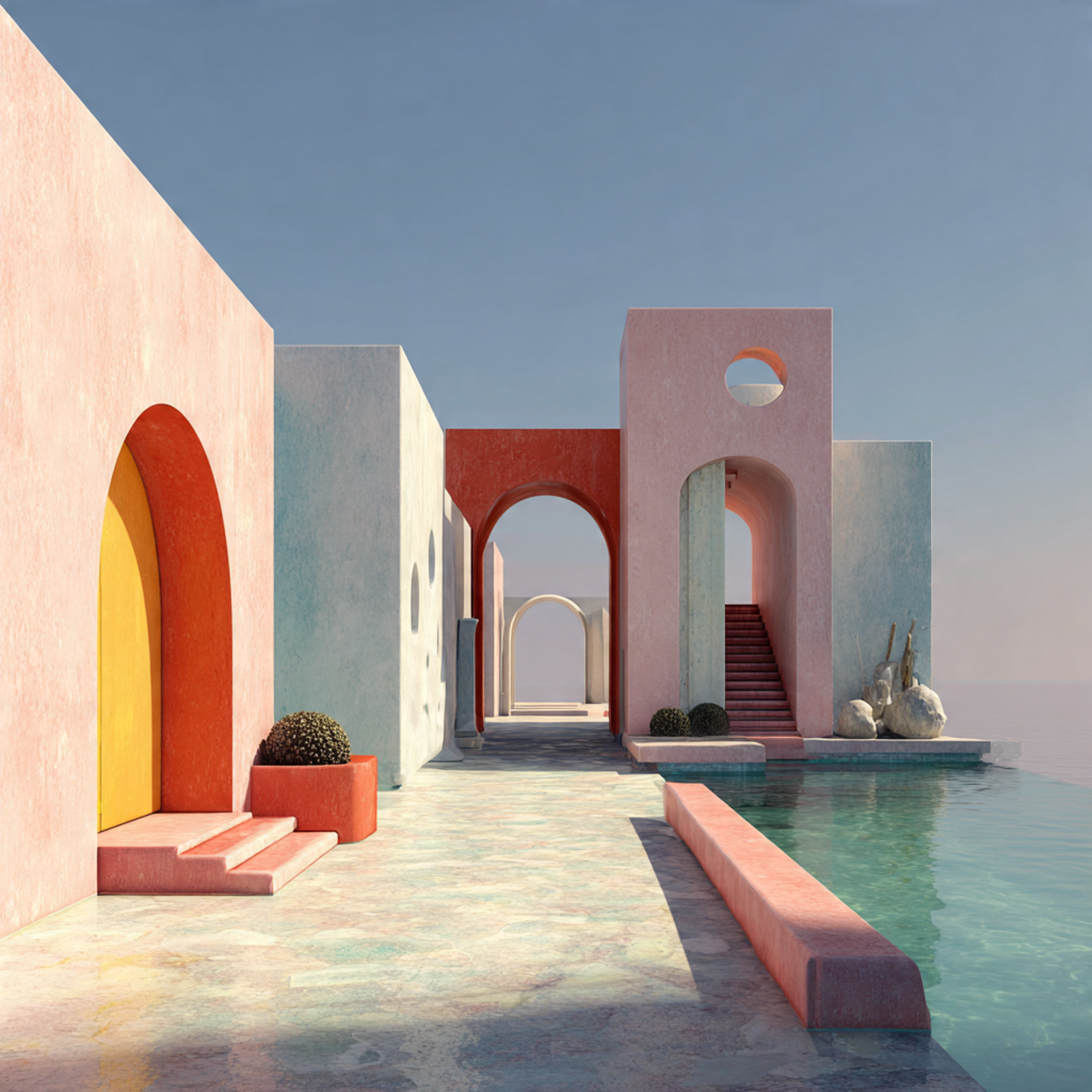
Why your style needs strategy to get seen
Today’s clients aren’t waiting for brochures. They’re searching. They’re Googling:
- “Luxury contemporary living room ideas”
- “Scandinavian home design Pune”
- “Minimalist office space architect Mumbai”
If your projects aren’t showing up for those searches, someone else’s are.
Let’s be clear—this isn’t about ranking for generic “best architect in Delhi” terms.
It’s about making sure your style-driven work gets discovered by the exact clients who want that style.
SEO is how you connect your vision with their search.
What makes a project page discoverable
Most design firm portfolio pages suffer from one of two extremes:
- Overdesigned and underwritten – Visually gorgeous, but no words to tell the story
- Generic and template-based – Text-heavy but flat, no reflection of design thinking or aesthetic intent
To rank on Google and resonate with real people, your project page must have three things:
1. Clear structure
Google can’t “see” beauty—it reads context. That means:
- A page title that describes the project clearly (“Contemporary Villa in Alibaug”)
- A short intro that includes location and style
- Section headers like “Design Approach” or “Client Brief”
- Project-specific details throughout
For more on marrying design structure with SEO, check architecture websites UI/UX design
2. Focused narrative
Tell the story of the project. Why was this design approach chosen? What made it stylistically distinct? What challenges did it solve?
Style alone won’t rank. But when you explain your design thinking, client brief, and execution choices, you’re not only telling a story—you’re building authority.
This mirrors the approach we use in SEO-driven project pages for search and clients
3. Visuals that load quickly, with meaning
Your images shouldn’t just be beautiful—they should be fast to load and explained with short, meaningful captions. Why this photo? What does it show? Why does it matter?
For best practices, dive into technical SEO for image-rich portfolio sites
The formula: Style-first storytelling with SEO structure
Let’s walk through how to craft a page that ranks and converts—without ever sounding like “SEO.”
Step 1: Start with a title that means something
Instead of:
🟥 “Project #004”
🟩 Try: “Scandinavian Apartment Overhaul – Koramangala, Bangalore”
This helps both humans and search engines understand the page.
Step 2: Write a short opening paragraph with context
Include:
- What the project was
- Where it was located
- What style it expresses
- The type of client (young family, design-savvy couple, etc.)
This gives Google the data it needs to match your page with searchers—and it gives readers a reason to stay.
Step 3: Build your design story like a case study
Think of these as chapters:
- Client brief: What they wanted and why
- Design thinking: What inspired the aesthetic?
- Challenges: Site constraints, budget, design goals
- Execution: Materials, color palette, spatial strategy
- Outcome: What changed? How did it feel? What did the client say?
Use natural, conversational language. Imagine you’re walking a prospective client through the space—because if they read it, they might become one.
If you’re unsure how to craft this, adapt the flow from case studies into SEO landing pages
Step 4: Make your images work for you
Yes, they should be high-quality and on-brand. But they should also be:
- Fast to load (your site manager can handle compression)
- Labeled with short captions that add meaning:
“The double-height living room blends Scandinavian lightness with brutalist materials.” - Shown in a flow that tells the story (not just a wall of pictures)
For deeper guidance, see how to optimise image galleries for Google Search
The goal: Turn visual appeal into narrative momentum.
How to choose the right keywords (without sounding like a marketer)
No, you don’t need to “stuff” keywords into your writing. But you do need to reflect how people are searching.
If your project is a warm minimalist residence in Goa, the client might be searching:
“Minimalist beach home Goa” or “Coastal villa architect India”
Sprinkle these kinds of terms:
- In your intro paragraph
- In image captions
- In section headers
- Naturally throughout your writing
It’s not about gaming search—it’s about using the words your clients already use.
Sprinkle these phrases naturally into intros, captions, and section headers. For a full framework, explore keyword intent for architects and design studios
What to avoid
Let’s keep your pages elevated and effective. Avoid:
- Overused buzzwords with no substance (“bespoke, curated, timeless”)
- Massive photo galleries without context
- Empty headings like “Project Overview” with no supporting insight
- Generic filler – If it doesn’t add to your authority or tell your story, leave it out
And most importantly: Don’t forget the CTA.
Even a simple “Get in touch to discuss a similar project” or “Explore our full interior portfolio” keeps visitors moving—and turns interest into action.
How Google knows your style—and clients do too
What’s happening under the hood (that your SEO partner should handle):
- Making sure your project appears in Google Images
- Telling search engines what the page is about (through metadata)
- Ensuring the page loads fast and looks good on mobile
- Linking it to your other project pages and service pages
- Helping it appear in local or style-based search queries
None of that is your job—but it is your responsibility to make sure your team or partner is doing it.
Because if you're putting signature projects online but not structuring them for discovery, you're losing visibility where it matters most.
What a well-structured, style-driven project page delivers
Recognition: You start appearing for visual-first, style-specific searches
Relevance: Clients start referencing “that white-on-white duplex you did in Mumbai”
Results: You generate inquiries based on aesthetic alignment, not just price or location
This is how design studios move from vendor to authority—through specialised SEO for architect and design firms, not more ads or awards.
FAQs: Answering your (and your principal's) biggest questions
Do I really need to write this much for each project?
Only for your most valuable, style-defining ones. Focus on 5–7 projects that truly represent your studio. Quality trumps quantity.
Can’t I just let the images speak for themselves?
Images sell aesthetic, but words sell authority. Google needs language to understand what’s on the page—and clients need story to feel connected.
What if I don’t have time to write these pages?
You don’t have to write them. You just need a partner who can extract your voice, your thinking, and your vision—and turn it into SEO-structured content.
How soon will this generate results?
Expect visibility improvements within 8–12 weeks. Inquiries may take longer—but the long-term value compounds every month your project is discoverable.
Will this work for residential and commercial both?
Yes. In fact, the more specific your style and audience, the better SEO works. “Scandinavian luxury home in Delhi” is far easier to rank for—and more likely to convert—than “architecture services India.”
How Adswom helps style-forward studios get discovered
At Adswom, we don’t just build search rankings. We build search visibility that aligns with your aesthetic, authority, and ideal client.
With our Search-to-SQL Framework, we:
- Identify your highest-impact, visually-led projects
- Rebuild them as SEO-optimized, client-aligned showcases
- Help you appear for style-specific, intent-driven Google searches
- Attribute inquiries and leads back to each project page
- Equip your studio with dashboards that prove SEO’s ROI to principals
If you're proud of your design style, make sure the right people can find it.