Why This Debate Matters for Architects
Referrals aren’t enough. Ads burn budget. The real battleground? Search.
Here’s what you need to know:
- 87% of clients start online.
- 76% of local searches lead to a visit within 24 hours.
- 28% of those searches lead to a purchase the same day.
But not all SEO is created equal.
- Local SEO puts you in front of clients searching right now in your geography.
- National SEO builds authority across markets, niches, and audiences beyond your city.
If you only focus on one, you’re leaving deals on the table. This guide shows you the difference, when to use each, and how to combine both into a system that grows your studio.

1. What Is Local SEO? (Your Shortcut to Immediate Leads)
Local SEO makes sure you show up for searches like:
- “Architect near me”
- “Interior design firm in Pune”
- “Boutique hospitality designer Mumbai”
Core Local SEO Elements
- Google Business Profile (GBP): Complete, verified, with services, hours, photos.
- Citations: Consistent Name/Address/Phone across directories.
- Reviews: Quantity + quality drive trust and rankings.
- Localized On-Page SEO: City/service keywords, schema markup, optimized headings.
Why Local SEO Wins
- 76% of local searches lead to an in-person visit within 24 hours.
- 28% trigger a purchase in under 48 hours.
- 97% of people learn about local companies online first.
For single-location firms, local SEO is your fastest path to new inquiries.
2. What Is National SEO? (Your Long-Game Authority Builder)
National SEO goes after non-location keywords like:
- “Modern residential architect”
- “Boutique hospitality design firm”
- “Sustainable office design”
Core National SEO Elements
- Technical Site Health: Fast, mobile-friendly, Core Web Vitals in check.
- Authority-Building Content: Pillar blogs, thought leadership, niche expertise.
- Backlink Strategy: Get featured in design publications, guest posts, podcasts.
When National SEO Matters
- You serve multiple cities or remote clients.
- You’re building thought leadership in a niche (e.g., sustainable hospitality).
- You want projects beyond your immediate geography.
National SEO takes longer (6–12 months) and more investment—but the reach is unlimited.
3. Local vs National SEO: The Head-to-Head
| Feature | Local SEO | National SEO |
|---|---|---|
| Audience | Nearby clients | Clients across the country |
| Search Example | “Interior designer near me” | “Boutique hospitality design firm” |
| Ranking Factors | GBP, reviews, proximity, local schema | Site authority, backlinks, content depth |
| Best For | Single-location firms | Multi-location/niche firms |
| Time to Results | 3–6 months (often faster) | 6–12 months+ |
| Budget Range | ₹50k–₹200k/mo ($2k–$10k) | ₹200k+ ($7k–$35k+) |
Bottom line: Local = short-term deal flow. National = long-term authority.
4. Why Hybrid SEO Is the Sweet Spot
Most design studios need both.
- Local SEO fuels the now. You dominate maps, capture “ready to hire” clients.
- National SEO builds tomorrow. You establish authority that attracts projects across geographies.
Hybrid Framework for Studios
- Optimize Local
- GBP, reviews, citations, localized landing pages.
- Build National Authority
- Publish 2+ thought-leadership blogs/month.
- Secure features in design/architecture media.
- Leverage Geography in Content
- Case studies from multiple cities.
- Language like “national portfolio” or “multi-city projects.”
- Cross-Link Smartly
- Local pages → national content.
- National blogs → local project pages.
- Track Separately
- Local rankings (“near me”).
- National rankings (broad, niche terms).
Done right, hybrid SEO compounds: local trust + national visibility = dominance.
5. Tactical Blueprint: How to Execute
Phase 1: Local Setup
- Claim/optimize GBP.
- Build citations.
- Create 3–5 city/service pages.
- Automate review requests post-project.
Phase 2: On-Page Optimization
- Research local & national keywords.
- Optimize title tags, headers, meta.
- Add schema (LocalBusiness, Service, FAQ).
- Ensure 2–3 second load speed.
Phase 3: Authority Building
- Publish case studies + industry blogs.
- Guest posts on niche design sites.
- Local press features & partnerships.
Phase 4: Monitor & Refine
- Track local vs national separately.
- Attribute leads to queries with Analytics + Search Console.
- Adjust monthly based on what’s compounding.
6. Overcoming Objections: Quick FAQs
Q: We’re just local—why think nationally?
A: National content boosts authority, which helps local rankings. Plus, it attracts referrals from outside your city.
Q: Isn’t national SEO too costly?
A: It requires higher investment, but ROI scales: one national feature can land projects worth 10X your monthly spend.
Q: Can I rely on local SEO only?
A: Yes, if you only want short-term leads. But it caps growth. National SEO is your long-term moat.
7. How to Decide Your Focus
Ask yourself:
- Client type: Homeowners in your city, or developers across regions?
- Portfolio reach: Local-only, or already multi-city?
- Brand goal: Regional leader or national authority?
- Budget/timeline: Do you need quick leads, or are you playing long?
Final Checklist
Local SEO Must-Haves:
- Optimized GBP
- 10+ Google reviews
- City-specific pages
- Citations + local schema
National SEO Must-Haves:
- Pillar pages on niche services
- Thought-leadership blogs
- Backlinks from authority sites
- Technical SEO
Final Takeaway
You don’t have to choose between local and national SEO. You do have to execute both strategically.
- Local SEO → quick, intent-driven leads.
- National SEO → credibility, authority, bigger-ticket projects.
- Hybrid SEO → sustainable, compounding growth.
If your goal is to be visible in every search your ideal client makes—whether it’s “architect near me” or “hospitality design firm India”—a hybrid system is the only play.
Next Step: Build Your Studio’s SEO Lead Engine
At Adswom, we specialize in SEO exclusively for architecture and design firms.
We’ll help you:
- Dominate local visibility.
- Build national authority.
- Create a hybrid system that compounds.
👉 Book Your Free SEO Diagnostic
Get clarity on your current visibility, where you’re leaking leads, and the exact roadmap to scale.
Stop guessing. Start building your SEO lead engine today.
If You're Still 'Posting When You Can'—You're Losing Clients
Every design firm knows content matters.
But what they don’t know is this: inconsistency is killing your SEO.
You’re writing blog posts based on gut, not keywords. Publishing when there’s time, not on strategy. And worst of all—you’re creating beautiful content that Google can’t find.
Sound familiar?
What you need isn’t just a better workflow. You need a system—a repeatable, strategic content engine built for how designers attract clients in 2026.
That’s exactly what this SEO content calendar template for design firms delivers.
No fluff. No filler. Just the system to help you:
- Rank for terms that drive project inquiries
- Organize visuals + writing for your entire team
- Never again wonder “what do we post this month?”
👉 [Download the free template] and keep reading to build your editorial engine.

Why Most Design Firms Waste Content Potential
Let’s be blunt: most content efforts in design studios fall flat because there’s no operating system behind them.
Here’s what we see too often:
- Publishing inconsistency — You write three blogs in one month… then nothing for six weeks.
- No keyword targeting — Content is visually rich, but SEO-poor.
- Reactive planning — You're scrambling for content ideas instead of building around client search behavior.
- No lead structure — There’s no funnel to turn readers into project inquiries.
And if you're thinking, "Well at least we’re posting something," let us remind you: random content is invisible content.
If Google can’t figure out what your site is about, your ideal clients won’t either.
What Is an SEO Content Calendar—And Why It's a Game Changer for Designers
An SEO content calendar is more than a schedule. It’s a growth infrastructure.
For architects and designers, it means turning your project portfolio, process knowledge, and style expertise into strategic content that:
- Builds topical authority in your niche (e.g., sustainable homes, luxury interiors, etc.)
- Attracts qualified search traffic that aligns with your services
- Converts visitors into project inquiries through relevant CTAs and structured journeys
This is what we call systematic content creation design.
You’re not writing “when you can.” You’re publishing with purpose.
What to Include in Your Editorial Calendar (The Designer’s Version)
Here’s what an optimized editorial calendar for architecture blogs and interior design websites should track:
- Topic/Title – Hook-driven and search aligned
- Primary Keyword – Based on volume, difficulty, and buyer intent
- Search Intent Stage – Awareness / Consideration / Decision
- Format – Blog post, case study, guide, landing page, etc.
- Visual Assets Needed – Project photos, diagrams, sketches, etc.
- Internal Links – Where will this post connect back to your site (services, contact, etc.)
- CTA Type – Download, consult request, view portfolio, etc.
- Draft Due & Publish Date – To keep your team accountable
- Writer / Approver – Define ownership early
- Performance Column – Add CTR, rankings, or leads generated later
Example: 3-Month Content Calendar for Interior Design SEO
| Month | Topic Title | Keyword Focus | Intent | CTA |
| Jan | “Top 5 Interior Design Trends for Luxury Homes in 2026” | luxury interior design trends 2026 | Awareness | View Portfolio |
| Jan | “How We Designed a Coastal-Themed Penthouse in Miami” | coastal interior design case study | Consideration | Book a Consult |
| Feb | “Choosing the Right Color Palette for Open Concept Spaces” | color palette open concept SEO | Awareness | See Design Guide |
| Feb | “Behind the Build: NYC Loft Renovation Story” | NYC loft renovation designer | Consideration | Start Project Inquiry |
| Mar | “SEO for Interior Designers: What Actually Works in 2026” | SEO for interior designers | Awareness | Download Checklist |
| Mar | “Midtown Modern: Project Walkthrough & Design Rationale” | midtown modern project interior | Decision | Schedule Consultation |
Your Calendar Isn't Just for Blog Posts
Here’s how smart firms repurpose a single calendar into full-funnel content:
- Case Studies → Project Pages, Email Drip, Instagram Highlights
- How-To Blogs → Pillar Guides, Instagram Reels, Pinboards
- FAQs → Local SEO pages, Knowledge Base, YouTube shorts
- Process Walkthroughs → Sales enablement PDFs, Onboarding kits
Use the calendar to plan across formats—but all anchored in search demand.
Building Your Calendar: Step-by-Step
Here’s how to create a content scheduling for SEO framework in your firm:
1. Start With Strategic Pillars
Identify your service areas + design focus. These become content themes:
- Sustainable architecture
- High-end residential interiors
- Hospitality design, etc.
2. Research Keywords By Intent
Use a tool like Ubersuggest or SEMrush to find:
- What people are actually searching
- Which keywords are underserved
- What has business potential, not just traffic
3. Match Topics to Buyer Journey
Plan a mix of:
- Awareness: trends, inspiration, FAQs
- Consideration: comparisons, case studies
- Decision: project pages, service explainers
4. Create a 90-Day Plan
Keep it manageable:
- 2 posts per month = 6 great assets in 90 days
- Add case studies or landing pages as needed
5. Build the System (Calendar Template)
Use Google Sheets, Notion, or Trello. Include columns for:
- Status
- Assignee
- Publish date
- SEO notes
- Link targets
6. Review + Optimize Monthly
Check what’s ranking, what’s converting, and update priorities.
Why Our Template Works (And Others Don't)
Generic content calendars don’t speak your language. They’re made for bloggers or SaaS companies—not visual, high-touch studios like yours.
Our SEO content calendar template for design firms is different because:
- It aligns with visual workflows (photos, sketches, renders)
- It’s built around location, style, and service targeting
- It’s easy for designers and writers to collaborate on
- It connects SEO to business results—not just publishing for the sake of it
What’s Included in Our Template (Free Download)
- Pre-built keyword-intent mapping table
- Custom columns for design-specific assets
- Automated publish status tracking
- Monthly priority filter and content type views
👉 [Download the SEO Calendar Template Now] — Ready for Google Sheets & Notion
FAQ: SEO Content Planning for Design Firms
Q1: How often should design firms publish SEO content?
Ideally, you should publish 2–4 times per month. What matters more than quantity is consistency and strategic alignment with search intent.
Q2: What kind of content works best for architecture and interior design SEO?
High-impact formats include project case studies, process explainers, style trend breakdowns, service area pages, and expert guides that answer buyer-stage questions.
Q3: Should we create separate content calendars for blogs and social media?
You can—but we recommend centralizing both in one system with separate views. This ensures your blog content is repurposed effectively across platforms.
Q4: How do we know which keywords to use in our content calendar?
Use tools like Ubersuggest, SEMrush, or even Google Search Console to identify high-intent keywords tied to your niche services, geography, and project types.
Q5: What’s the benefit of using a ready-made SEO content calendar template vs. building our own?
A specialized template is pre-structured for SEO best practices—saving time, reducing errors, and keeping your publishing aligned with your growth goals.
Final Word: Without a Calendar, You’re Guessing
Design firms who want to win in SEO need more than great taste. They need a system that supports consistency, conversion, and authority.
With this calendar, you’re not reacting to content gaps—you’re filling them before they happen.
Because real design firms don’t just create beautiful work.
They build systems that make sure the right people find it.
Want help building your full SEO strategy?
Start with our free diagnostic to see what’s blocking your traffic and lead generation.
👉 [Start The Visibility Diagnostic]
If You’re Just Uploading Pretty Photos, You’re Leaving Leads on the Table
Most architecture and design firms treat case studies like a victory lap.
They launch a beautiful new project, upload 10 photos, and maybe drop a short paragraph about the “design concept.”
That’s not a case study. That’s a digital lookbook.
It won’t rank. It won’t educate. It won’t drive inquiries.
And most importantly, it won’t work in 2026.
Because in today’s search landscape, content needs to do three things:
- Match buyer search intent
- Demonstrate authority
- Move people closer to inquiry
If your case studies aren’t doing all three, they’re SEO dead weight — not lead magnets.
Let’s fix that.
What Makes a Case Study an SEO Asset (Not Just a Portfolio Piece)?
A true SEO asset has:
- A target keyword and topic cluster
- Internal links to relevant pages
- Conversion-focused CTAs
- Value-driven storytelling (not fluff)
- Answers to the exact questions a prospect is Googling
In short: it ranks, reads, and converts.
A case study isn’t just about what you built — it’s about why, how, and who it’s for.
Let’s break it down.

Step 1: Start With the Search Intent — Not the Project Name
Most firms title case studies like this:
“Beach House – Sarasota”
“Modern Office Project”
That tells Google (and your clients) nothing.
Fix:
Use search-optimized, descriptive titles like:
- “Modern Home Renovation in Sarasota, FL: Full-Gut to Coastal Luxury”
- “Designing a High-Performance Office for a Remote-First Tech Team”
And build around real queries, like:
- “modern beach house design Florida”
- “office interior design for tech companies”
Think like your clients. Use their language. Then structure the case study to answer their search.
Step 2: Break Down the Full Story — Don’t Just Show the Finish Line
A gallery of final photos is beautiful, but shallow.
Instead, create SEO-rich narrative with these components:
Case Study Structure:
- Project Overview: What was the brief? Who was the client?
- Design Challenge: What made it unique?
- Our Approach: How did you solve it?
- Key Features & Solutions: Highlight innovation
- Visual Documentation: Before/after, floorplans, renderings, photos
- Client Outcome: Budget, timeline, experience, testimonial
- Takeaway CTA: Link to contact page, related services, or download
Each section is a chance to inject keywords naturally, showcase authority, and build reader trust.
Step 3: Use SEO Best Practices (But Don’t Sound Robotic)
On-Page SEO Tactics:
- Use a descriptive H1 tag with your primary keyword
- Include H2/H3 subheadings (“Design Challenge,” “Client Brief,” etc.)
- Optimize image alt text (e.g. “coastal kitchen with rift oak cabinetry”)
- Add internal links to related blogs, service pages, or project types
- Write a meta title + description using local + project keywords
Example Meta Title:
“Modern Sustainable Home in Sonoma, CA | Residential Architecture Case Study”
Example Meta Description:
“Explore how we designed a passive-solar luxury home in Sonoma. Project photos, challenges, outcomes, and how we delivered on time and on budget.”
Use storytelling, not stuffing. Google rewards clarity, structure, and specificity.
Step 4: Optimize Visuals Like a Content Asset, Not Just Decoration
Your images are content. Treat them that way.
How to Maximize Visual SEO:
- Compress images without losing quality (site speed boost)
- Use keyword-based filenames (“modern-living-room-skylight.jpg”)
- Add alt text that describes function and feature, not just style
- Include captions that reinforce key talking points
- Use schema markup for visual-rich results (optional advanced)
Also consider using before/after sliders or 3D models if available — this increases time on page and engagement.
Step 5: Add a CTA With a Purpose (And a Destination)
Most firms forget the most important part: the next step.
Every case study should end with a CTA based on the audience’s intent:
| Reader Type | CTA |
| Homeowner researching ideas | “See More Residential Projects” |
| Developer looking for bids | “Book a Design Consultation” |
| Curious visitor | “Download Our Planning Guide” |
| Design-savvy client | “Explore Our Approach to [Style] Architecture” |
Your CTA should feel like a continuation — not a sales pitch. Match the moment.
Bonus: Add an inline CTA in the middle of the case study for readers who don’t scroll to the bottom.
Step 6: Link Case Studies Across Your Site — Make Them Work Together
Don’t let your case studies live in isolation. They should:
- Link to related blogs (“See how passive design lowers long-term cost”)
- Be featured on service pages (embed the most relevant ones)
- Drive internal linking from blog content
Use topic clusters. For example:
- A blog on “coastal home materials” links to your beach house case study
- Your “residential services” page links to all relevant homes
This builds topical authority and spreads SEO equity across your site.
What Great SEO Case Studies Do Differently
| Typical Case Study | SEO-Optimized Case Study |
| Project name only | Keyword-rich title |
| One-paragraph blurb | Full narrative framework |
| Photo dump | Tagged, described visuals |
| No CTA | Clear, useful next step |
You don’t need to rewrite your portfolio.
Just upgrade it — one project at a time.
Want to Know Which Projects Have SEO Potential? Not all case studies are created equal. We’ll audit your existing portfolio and identify which stories, keywords, and formats are holding back your visibility.
Start Your Free Search-to-SQL Diagnostic →
Final Checklist: Turning Case Studies Into SEO Assets
Use a search-optimized, descriptive title
Include full narrative (challenge → result)
Add headings and subheadings for structure
Insert keywords naturally, don’t stuff
Optimize images: file name, size, alt text
Use internal links to blogs/services/pages
Add strong CTAs: bottom + middle if possible
Link case studies together via topic clusters
Done right, one strong case study can:
- Rank on Google for 20+ keywords
- Educate and warm up cold leads
- Become your most powerful sales asset
Your portfolio isn’t a gallery. It’s a growth engine — if you optimize it.
FAQ: Case Study SEO for Architecture & Design Firms
1. How long should a case study be for SEO?
Aim for 800–1,200 words. Long enough to tell the full story and hit SEO best practices, but not bloated. Prioritize clarity over fluff.
2. Should we write a blog post or a case study?
Do both. A blog post can talk about a theme (“Passive House Design Tips”), while the case study proves it in action. Then link them together.
3. Can we optimize old project pages?
Yes. Updating project titles, adding narrative, and optimizing images can improve SEO without redesigning anything.
4. What’s the biggest SEO mistake with case studies?
Generic titles and missing content. “Modern Kitchen Remodel” won’t rank. Add context, location, process, and keywords.
5. How many case studies should we publish?
Quality beats quantity. Start with your best 3–5 projects and build them out. Over time, aim for one per service type or style.
Want Adswom to Help You Transform Case Studies Into Sales Assets?
We take your real projects and turn them into conversion-ready SEO machines.
Keyword mapping
Narrative structuring
Visual optimization
Funnel-connected linking
Start Your Free Visibility Diagnostic →
Let’s make every case study a sales conversation starter.
Stop Creating Content That Dies in 30 Days
Most architecture blogs are filled with temporary content:
- Project announcements
- Award wins
- Trend-of-the-week posts
Sure, they get a few clicks. But 90 days later? They’re dead weight.
If you're building a visibility engine — not just a marketing archive — you need evergreen content.
Evergreen content doesn’t chase attention. It compounds value.
It ranks longer. Builds trust faster. Converts better.
Let’s break down the most powerful, always-relevant content types design firms can publish to attract ideal clients — and never go out of style.
Key Takeaways - Evergreen Content That Attracts Ideal Clients
- Stop posting trend-based content — it dies fast.
- Evergreen content compounds — it ranks, builds trust, and converts.
- Focus on timeless formats: FAQs, process guides, pricing explainers, case studies, and style guides.
- Refresh and interlink your evergreen posts yearly.
- One evergreen article can outperform ten short-lived posts.
👉 Build content that sells for years, not weeks. Start Your Free Visibility Diagnostic →
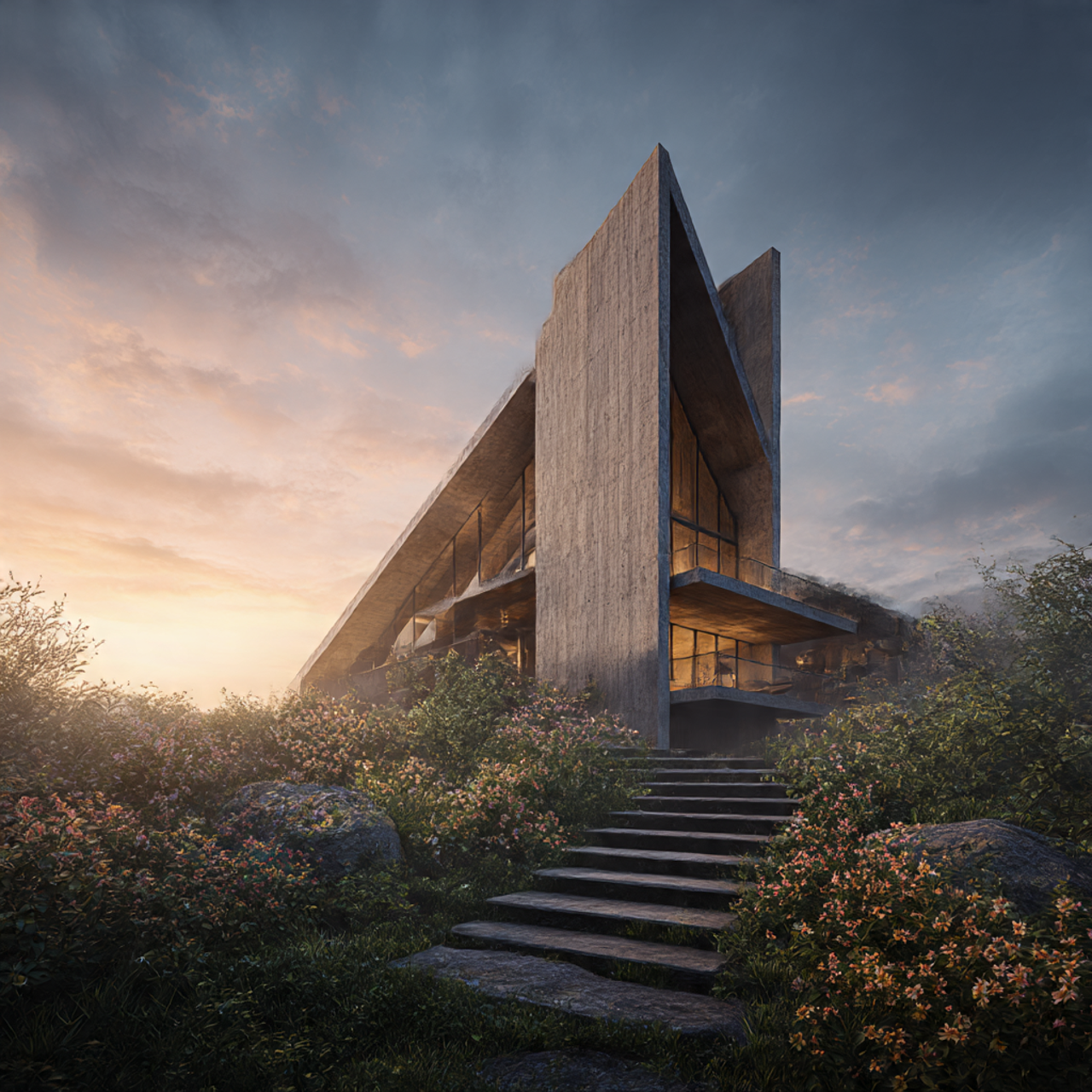
What Is Evergreen Content (and Why It Works for Architects)?
Evergreen content is timeless. It solves a lasting problem or answers a common question your ideal client will still be asking 6, 12, even 36 months from now.
It’s not seasonal. Not trendy. Not news-based. It’s the backbone of any long-term SEO strategy — It’s the backbone of any long-term SEO strategy — especially if you’re following Architecture SEO Trends in 2026.
Evergreen content:
- Ranks for high-value keywords
- Attracts new visitors month after month
- Supports every stage of your client journey
It’s your digital sales rep — always on, always relevant, always converting.
1. FAQs and Educational Explainers
These are content workhorses — because they answer real client questions.
Examples:
- What Does an Architect Actually Do? (Process Breakdown)
- How to Choose the Right Architect for Your Project
- What to Expect in an Initial Architecture Consultation
- Do I Need an Architect or a Design-Build Firm?
These are questions you’ve answered 1,000 times — now you answer them once in blog format, and Google delivers it to your next 1,000 prospects.
Bonus Tip:
Structure with headers and bullets so you land Google featured snippets — a trick used in our SEO Content Ideas for Architecture Blogs playbook.
2. Process Guides and Timelines
Clients are anxious about what they don’t know. You can ease that anxiety — and position your studio as the expert — by mapping the journey.
Examples:
- Step-by-Step Guide to Designing a Custom Home
- From First Meeting to Final Drawings: Our Architecture Process
- Timeline: How Long Does It Take to Design and Build?
This content works for:
- SEO (people search these questions)
- Sales (saves your team explanation time)
- Trust-building (you look organized and transparent)
This type of content doubles as sales collateral — the same principle covered in UX Design Principles That Convert for Architecture Websites
3. Budgeting and Pricing Content
Nothing builds trust faster than financial clarity.
Examples:
- How Much Does It Cost to Hire an Architect in [City]?
- Understanding Architecture Fees: Hourly vs Fixed vs Percentage
- Budgeting for a Whole-House Remodel: What to Expect
Even if you don’t list specific numbers, discussing pricing structures helps clients self-qualify and positions you as open and professional.
Evergreen pricing content filters out tire-kickers and attracts serious buyers — a core insight from High-Value Design SEO
4. Service Page Deep Dives
Your service pages are the most underutilized content assets.
Turn each one into a mini content hub:
- Detail your process
- Link to related blog posts and case studies
- Answer specific use cases
Examples:
- Residential Architecture: From Concepts to Construction
- Hospitality Design Services: What We Offer and How We Deliver
- Commercial Renovations: What Sets Our Process Apart
When you combine SEO + education + positioning on a single service page, you not only rank — you convert.
5. Style and Design Guides
High-end clients want to know that you understand their aesthetic goals.
Examples:
- Modern vs Traditional Architecture: Key Differences
- Popular Styles in [City]: A Visual Guide for Homeowners
- How to Choose the Right Architectural Style for Your Project
Visual + written content here works especially well. It performs on:
- Blog
- SEO (because people still Google “modern vs contemporary architecture” every month)
6. Project Process Case Studies (Evergreen-Formatted)
We’re not talking about photo dumps. We’re talking about educational, search-optimized case studies.
Examples:
- Designing a Family Home with Universal Accessibility Principles
- From Fixer-Upper to Custom Dream Home: A Step-by-Step Transformation
- Passive Solar Home in [City]: How We Solved for Light, Heat, and Budget
Case studies like these don’t expire. They:
- Demonstrate your process
- Showcase your values
- Rank for project-type and location-specific queries
Make each one answer the client’s question: “Could they do this for me?”
These act as evergreen SEO magnets — ranking for project types, methods, and locations. They’re also the perfect match for your Architecture SEO Pyramid of Success foundation.
7. Planning Tools and Downloadable
Turn internal checklists into lead magnets.
Examples:
- Project Planning Workbook: From Idea to Build-Ready
- Homeowner’s Guide to Working with an Architect
- Budget Planning Template for First-Time Renovators
These aren’t just lead generators — they become your sales collateral for warming cold leads and upselling undecided clients.
Tip: Promote these evergreen resources on your homepage, footer, and most-read blogs to capture traffic year-round — an approach we detail in Keyword-to-Inquiry SEO Mapping.
8. Mistakes, Myths, and Misconceptions
Nothing builds trust like busting myths. You earn credibility by telling the truth.
Examples:
- 7 Common Architecture Myths (And What’s Actually True)
- Why Most Renovation Projects Go Over Budget (And How to Avoid It)
- What HGTV Gets Wrong About Designing Custom Homes
Content like this performs because:
- It’s honest
- It’s relatable
- It answers questions people are too afraid to ask
This “truth-first” content model is what separates authority brands — and it’s the same framework discussed in Common SEO Mistakes Architecture Firms Make (and How to Fix Them).
9. Evergreen Thought Leadership
Most “thought leadership” is really just thought noise. But if you focus on timeless insight — not industry gossip — it becomes a brand differentiator.
Examples:
- Why We Believe Great Design Solves More Than Aesthetic Problems
- Our Philosophy: Architecture as a Tool for Community Impact
- What Every Architect Should Be Teaching Their Clients
This positions you as a firm of principles — not just professionals. It gives clients something to buy into — not just buy from.
How to Keep Evergreen Content Working Year After Year
Even evergreen needs occasional maintenance.
1. Revisit and Refresh Annually
- Update stats or code changes
- Refresh examples with newer projects
- Improve meta descriptions and headers
2. Interlink Old Posts to New Ones
- Keep content clusters strong
- Add “You Might Also Like” links
3. Promote Seasonally (Even If It’s Not Seasonal)
Use newsletters and social to cycle traffic back to evergreen posts
This is how one piece of content becomes:
- An SEO anchor
- A sales primer
- A lead magnet
- A brand trust-builder
Evergreen Content Checklist
- Solves a problem your clients always have
- Built around long-tail, high-intent keywords
- Easy to navigate, read, and repurpose
- Doesn’t require constant updating
- Connects to your services and client pain points
- Answers the question: “Why should I trust this firm?”
One solid evergreen piece is worth 10 one-week wonders.
Evergreen Content Strategy for Architecture Firms
1. How often should we publish evergreen content?
Start with 1–2 pieces per month. Prioritize quality and strategic alignment over quantity.
2. Can evergreen content still rank competitively in 2026?
Yes. In fact, Google rewards consistent, helpful content over time — especially content that stays updated and well-linked.
3. How do I know if a topic is evergreen?
Ask: Will my ideal client be searching for this 12 months from now? If yes, it’s likely evergreen.
4. Do we need to optimize evergreen content differently?
Not really — just follow SEO best practices: keyword clarity, structure, meta tags, fast load, internal linking.
5. How does this fit with our project-based content?
Evergreen posts create context and traffic; case studies create proof. Together, they convert.
Want Us to Build Your Evergreen SEO System?
At Adswom, we don’t create content calendars — we build content engines.
- Keyword strategy mapped to business goals
- Evergreen hubs built for long-term growth
- Blog, case study, and lead magnet development
Start Your Free Visibility Diagnostic →
Let’s find out which evergreen content is missing — and what it’s costing you.
Who This Is For
This blog is for:
- Boutique, founder-led architecture and design studios
- Marketing leads under pressure to show long-term ROI
- Business development directors who want to build pipeline beyond referrals
If your projects have:
- Long decision timelines
- Multi-step approval cycles
- High investment and trust thresholds
...then this is the SEO strategy you’ve been missing.
Because in long-sales-cycle environments, SEO isn’t about fast wins. It’s about long-term positioning, trust, and staying power.
The Challenge with Long Sales Cycles
The Reality of a Design Sales Cycle
Here’s what a typical high-consideration architecture project journey looks like:
| Stage | Activity | Timeframe |
| Research | Exploring ideas, searching costs, vetting firms | 1–3 months |
| Planning | Budgeting, stakeholder alignment, shortlisting | 2–6 months |
| Selection | Calls, RFPs, presentations, chemistry fit | 1–2 months |
| Decision | Final approvals and contract signing | 2–4 weeks |
That’s often 6–12 months from first search to signed agreement — and SEO must stay relevant at every phase.
High-consideration design services — like custom residential architecture or institutional design — involve months (sometimes years) of research, budgeting, and internal discussion before a decision is made.
Your future clients are:
- Gathering inspiration
- Vetting firms
- Exploring costs, timelines, and design fit
But most firms only show up when it’s too late — or disappear entirely after one touch.
That’s where strategic, intent-mapped SEO comes in — to guide them through that invisible middle.

The 3 SEO Imperatives for Long Sales Cycles
1. Stay Findable at Every Stage of the Journey
Most firms optimize only for bottom-funnel terms ("hire architect in NYC"). But long sales cycles begin at:
- “how long does it take to design a custom home”
- “modern vs traditional design for boutique hotels”
- “architecture fees for nonprofit projects”
If you’re not present during this early research phase, you’re out of the running later.
📍 Strategy:
Create content for top, middle, and bottom of funnel queries — and connect them.
2. Build Authority Through Educational Content
What High-Consideration Clients Look For:
- Clarity in your process (step-by-step breakdowns)
- Relevant, recent project examples
- Testimonials from similar sectors
- Cost transparency
- Strategic alignment, not just aesthetics
Your content should make them say:
“They’ve done this before. They understand projects like mine. I trust them to lead.”
Trust is the currency of high-value projects. The firm that educates best often earns the project.
High-trust content includes:
- Process breakdowns (step-by-step overviews)
- Cost transparency guides
- Client Q&A-style blog posts
- Long-form project case studies
The goal isn’t just to get found. It’s to be remembered and relied on — even 6 months later.
3. Capture and Nurture Leads Over Time
Not everyone is ready to inquire. But every visitor is an opportunity.
Ways to stay in their orbit:
- Gated guides with email capture (“Cost Planning for Luxury Homes”)
- Monthly newsletters (“Latest Project Stories + Design Advice”)
- CRM-integrated content scoring to identify warming leads
The firm that shows up consistently, with relevance, wins the long game.
Content Funnel Example for High-Consideration Design Services
| Funnel Stage | Content Type | Example |
| Top (TOFU) | Educational blog, explainer, glossary | “What does an architect actually do?” |
| Middle (MOFU) | Case studies, FAQs, process pages | “Our approach to multi-unit residential projects” |
| Bottom (BOFU) | CTA pages, contact forms, pricing guides | “Start Your Custom Brief →” |
Mistakes to Avoid in Long-Cycle SEO
Optimizing only for transactional keywords
You miss the 6–12 months of research before the decision.
✅ Fix: Create high-trust, helpful content that answers real questions.
No lead capture until the contact form
Visitors leave, never to return.
✅ Fix: Use lead magnets, content upgrades, and newsletter sign-ups.
Treating SEO as a short-term campaign
It’s a compounding asset, not a quick fix.
✅ Fix: Measure pipeline contribution, not just month-over-month traffic.
The Patience Loop: Winning the Long Game
SEO for long-cycle clients doesn’t convert in one click — it compounds through repetition and relevance— discover the Search-to-SQL framework.
Discover → Revisit → Engage → Forget → Rediscover → Inquire → Decide
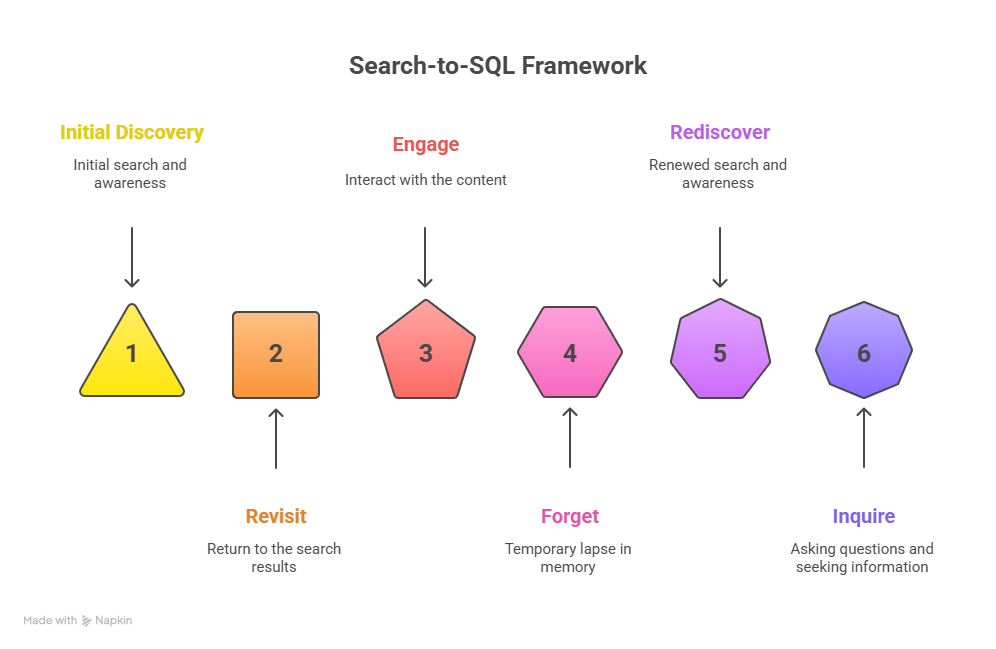
Your goal isn’t to rush the journey — it’s to architect the path they trust most.
Measuring Success in Long-Sales SEO
You’re not measuring leads. You’re measuring:
- Return visitors to key pages
- Email signups from blog content
- Content touchpoints that precede inquiries
- Engagement with decision-support pages
Tie these to pipeline via:
- UTM-tagged links
- CRM scoring
- GA4 conversion paths
SEO for long sales cycles is a nurturing machine. You’re planting the seed that pays off in 3, 6, or 12 months.
Deepening the Strategy: Beyond Awareness, Toward Affinity
When someone enters a long buying cycle, you’re not just competing for visibility — you’re competing for mental real estate.
To win, your SEO must not only answer questions but also:
- Position your studio as a category leader
- Demonstrate unmatched depth in your domain
- Reinforce your process as the de-risking factor for high-ticket projects
Long-Cycle Clients Don’t Choose the First Studio — They Choose the Most Familiar
And familiarity is earned through consistent, relevant, and strategic visibility. The more helpful content you provide, the more trust you build — before you ever get on a call.
Elevate Authority with These Additional SEO Plays:
- Topic Clusters: Build structured content hubs around key service themes (e.g., “Luxury Custom Homes”) to dominate niche search spaces.
- Video + Visual Explainers: Add project walkthroughs, process animations, or design philosophy videos to retain and re-engage returning traffic.
- Content Retargeting: Use your blog readers as a warm audience for remarketing (through Google Display or LinkedIn) to stay top-of-mind.
These are not hacks — they’re high-consideration content systems.
And systems outperform tactics every time.
The Adswom Advantage
Other agencies deliver rankings. We deliver readiness.
Our Search-to-SQL system ensures:
- Funnel-aligned content built for long-consideration clients
- High-intent keyword planning mapped to project value
- Pipeline-first reporting that tracks what content closes deals
Because visibility without nurture is noise.
We turn that into pipeline precision.
SEO for Long Sales Cycles in Architecture
1. How is SEO different for long sales cycles?
It’s less about ranking today and more about building long-term trust. You need content that answers early-stage questions and stays relevant over time.
2. How do we know if our SEO is nurturing leads?
Track return visits, email signups, and conversion paths. Use attribution tools to tie content views to actual inquiries.
3. What’s the timeline to see results?
Expect 3–6 months before nurturing content begins influencing pipeline. The results grow as your system matures.
4. Can small studios do this?
Yes. In fact, smaller firms often build trust faster with transparent, personality-driven content.
5. Does Adswom handle the strategy and writing?
Yes — we create and implement end-to-end SEO strategies built for long-cycle design decisions. From funnel planning to final CTA, we own it with you.
Ready to Nurture Leads from First Search to Final Decision?
We’ll show you where your content is leaking trust, and what to build next to guide more leads from interest to inquiry.
Start Your Free Visibility Diagnostic →
📍 Only from Adswom. SEO built for firms with long sales cycles and big ideas.
Who This Is For
This blog is for boutique, founder-led architecture firms and design studios who want predictable inbound leads — see high-value design SEO strategy.
- Heads of Marketing
- Business Development Directors
- Principals tired of over-relying on referrals and gut-feel marketing
You're likely experiencing one or more of these:
- Inconsistent inbound leads that waste time
- Clients who don't understand or value your design work
- Marketing that looks nice — but doesn’t move the needle
- Internal pressure to generate results without a roadmap
If you're design-obsessed, scale-focused, and tired of seeing your studio's marketing fall flat — this is for you.
Because keyword strategy isn’t about rankings. It’s about revenue from the right clients — and that starts with mapping search to sales-qualified leads — check keyword strategy for architects.
Why Your SEO Isn’t Turning Into Projects
If you’re seeing traffic but no inquiries — or worse, the wrong ones — you’re not alone.
We hear it every day from boutique studios:
- “We’re getting clicks, but they’re students or browsers.”
- “People visit our site… but no one fills out the form.”
- “We’re ranking — but not for the right kind of projects.”
You don’t have a visibility problem.
You have a conversion intent gap.
Fix it with Search-to-SQL framework for architecture firms
And the most common culprit? Keywords that don’t match what your best-fit clients are actually looking for.
Let’s fix that.
The Gap Most SEO Misses: From Keyword to Client
Most agencies stop at keyword volume, rankings, or traffic. But those numbers mean nothing if they don’t lead to real inquiries from serious clients.
At Adswom, we go beyond the keyword list.
We ask:
What does this keyword mean to the person searching it?
What stage of their buying journey are they in?
What project value or service need are they signaling?
When you understand that — and map it to the right page, message, and CTA — you move from keyword to SQL: Sales Qualified Lead.
This isn’t theoretical. It’s the backbone of our Search-to-SQL system.
Let’s walk through how it works.
Key Takeaways (Skimmer-Friendly)
- Traffic ≠ Leads: Focus on commercial-intent keywords, not volume.
- Map Keywords to Funnel Stage: TOFU (blogs), MOFU (service pages), BOFU (project showcase + CTA).
- High-Value Focus: Score keywords by specificity, location, service, and budget.
- Content Converts: Pages must speak to the ideal client and include clear next steps.
- Track Everything: GA4 + CRM integration ensures keywords link to booked projects.
- Avoid Common Mistakes: Low-intent keywords, homepage overreach, missing CTAs.
- Next Step: Audit your keywords and implement a Search-to-SQL approach for measurable results.

Step 1: Classify Search Intent — Not All Keywords Are Equal
Every keyword falls into one of four intent types:
1. Informational
- "what does an architect do"
- "best architecture schools"
- "modern home design ideas"
👉 Awareness stage, unlikely to convert
2. Navigational
- "[firm name] portfolio"
- "[studio] Instagram"
👉 Brand-aware users; good for retention and credibility
3. Commercial Investigation
- "top residential architects in NYC"
- "interior designer reviews [city]"
- "luxury home architect portfolio"
👉 These signal buying research
4. Transactional / High Intent
- "hire architect for custom home [city]"
- "book interior design consultation"
- "architect cost estimate luxury villa"
👉 These are your sales-ready keywords
The biggest SEO mistake? Chasing volume over value.
We focus on the keywords with commercial intent — the ones that convert.
Step 2: Map Intent to Page Type
If someone searches:
"high-end retail architect"
... and lands on a blog about architectural history, you’ve lost them.
You need alignment between keyword type and destination page:
| Keyword Intent | Ideal Page Type | CTA Type |
| Informational | Blog, glossary, guide | Email capture, lead magnet |
| Commercial | Service page, location landing page | Contact form, consultation CTA |
| Transactional | Project showcase + CTA page | "Start your brief", "Request a quote" |
| Navigational | About, portfolio, contact | Book consultation, credibility play |
This mapping ensures the user intent matches the page purpose — no confusion, no bounce.
Step 3: Score for Project Value (The Adswom Way)
Not all inquiries are created equal. You want high-value, high-fit projects.
So we apply a scoring system based on:
- Keyword specificity (e.g., “custom lake house architect” > “house architect”)
- Location relevance (e.g., “in [city]” = more likely to convert)
- Service match (e.g., matches your actual offering)
- Budget signal (e.g., “luxury,” “custom,” “high-end”)
We score each keyword opportunity 1–5 across those filters.
The goal: Build your SEO plan around keywords that lead to the projects you want more of.
Step 4: Write to Convert, Not Just Rank
Too many design firms rank for decent keywords… then lose the lead.
Why? Because their content is:
- Too vague
- Too generic
- Too design-award-focused and not buyer-focused
Every piece of content in your funnel should— see SEO content strategy for architects portfolios
- Speak directly to the type of client you want to attract
- Show examples of projects like the one they’re planning
- Include a next step tied to their intent (not just “contact us”)
For example:
If the keyword is: “architect for restaurant design LA”
Your page should show: 2–3 restaurant project case studies in LA, describe your design approach for hospitality, and end with: “Book a feasibility review for your restaurant concept.”
Start your Free Visibility Diagnostic →
Step 5: Track Which Keywords Turn into Inquiries
This is where the rest of the market fails.
They track rankings. You’ll track revenue.
We tag every page and CTA with:
- UTM parameters
- Source/medium labels in forms
- Hidden fields that capture referring keyword (when possible)
- CRM sync that marks lead origin
So in 90 days, you’ll be able to say:
“We booked a $250K project from a client who found us by Googling ‘custom architect Palm Springs.’”
That’s keyword to SQL.
Keyword Mistake Audit Checklist
Use this checklist to quickly assess whether your current keyword strategy is aligned with client acquisition — or leaking opportunities:
| Mistake | What It Looks Like | What It Costs You | Fix It By |
| High-volume, low-intent keywords | Ranking for 'architecture inspiration' or 'design ideas' | Lots of traffic, zero leads | Focus on keywords with clear hiring signals ("hire architect in [city]") |
| Homepage trying to rank for everything | All traffic funnels to a general homepage | Poor relevance, low conversion | Build separate service/location pages optimized by intent |
| Ignoring location | Keywords lack geographic signals | National traffic, no local leads | Add city/region modifiers to core keywords |
| Portfolio-only content | Visuals without strategic search terms | Looks great, doesn’t rank | Add contextual copy optimized for service + location |
| No intent-based CTA | Content ends with nothing actionable | Visitors leave without converting | Use CTAs matched to funnel stage (“Start Your Brief,” “Get a Consult”) |
Run this audit quarterly to ensure your SEO isn’t just visible — but valuable.
Common Mistakes (And How to Fix Them)
Mistake 1: Optimizing for “Architectural Styles”
Looks good in volume, converts terribly.
Fix: Prioritize keywords with hiring signals: “architect for [building type] in [location]”
Mistake 2: Homepage ranks for everything
Google doesn’t know what you specialize in.
Fix: Build individual pages for services, locations, and project types
Mistake 3: No call to action
People love your portfolio but don’t know what to do next.
Fix: Insert clear, visible CTAs across every key page
Keyword to SQL for Architects
1. What is keyword-to-SQL mapping?
It’s the process of aligning keywords with high-conversion landing pages and CTAs so that search traffic leads to qualified project inquiries.
2. Can this work for small or solo architecture firms?
Absolutely. In fact, smaller studios often rank faster for niche, location-based commercial terms.
3. How many keywords do I need?
You don’t need hundreds. You need the right 20–30 mapped to intent and funnel stage.
4. Do I need blog content or just service pages?
You need both — blogs for TOFU/education, service pages for MOFU/BOFU conversion.
5. What tools does Adswom use for tracking?
We use GA4, GSC, custom UTM tracking, and CRM integration to tie every form fill back to the search that triggered it.
The Right Keyword Strategy Leads to the Right Projects
If you’ve been doing SEO for months (or years) and still asking:
“Why isn’t this turning into leads?”
You don’t have a visibility problem.
You have a keyword-to-SQL gap.
Adswom’s framework closes it — with:
- Commercial-intent keyword strategy
- Full-funnel content mapping
- High-converting CTA design
- Inquiry-level tracking
So your next 10 site visitors aren’t just viewers — they’re prospects.
Ready to Turn Search into Project Inquiries?
Start your Free Visibility Diagnostic →
Let’s find your highest-value keywords — and build a system that brings in booked work.
Only from Adswom. Strategic SEO for architecture and design firms who want more than rankings. You want results.
Who This Is For: Growth-Minded Architecture and Design Studios
This blog is for founder-led architecture or design studios looking to scale and attract high-value design clients SEO
- You’re a founder-led architecture or design studio looking to scale
- You’re a marketing lead under pressure to show ROI from SEO
- You’re tired of seeing traffic but no inquiries — or worse, the wrong kinds of inquiries
You don’t need more content.
You need a system that turns visibility into vetted project inquiries —time to build a lead engine with SEO.
Let’s talk about how that system works — and what happens when it’s missing.
Why Traffic Isn’t Enough (And Never Was)
Architects don’t need more web traffic — they need more qualified project inquiries.
And that’s where most design firms get SEO wrong. They obsess over impressions, keyword volume, or blog rankings... and forget the end goal:
SEO only matters if it brings in the right clients — at the right time — ready to start the right kind of projects. That’s why why general SEO fails designers
That’s what the SEO-to-Lead Conversion Funnel is built for.
At Adswom, we’ve mapped out the full funnel that turns a searcher into a Sales Qualified Lead (SQL). It’s more than just SEO. It’s about orchestrating the client journey from curiosity to consultation.
Let’s break it down.
Key Takeaways (Skimmer-Friendly)
- Traffic Alone Doesn’t Convert: SEO must target qualified, high-fit leads, not just impressions.
- SEO-to-Lead Funnel = Full-Funnel Approach: TOFU attract, MOFU engage, BOFU convert, Qualify & optimize.
- Measure What Matters: Track SQLs, conversion rates, and top-performing pages.
- Content + Design = Conversion: Portfolio storytelling, service pages, and trust-building content drive engagement.
- Red Flags: Wrong keywords, unqualified leads, buried CTAs, lack of attribution.
- Next Step: Audit your funnel, implement a conversion-focused SEO system, and start with a free diagnostic.
The 4 Phases of SEO-to-Lead Conversion for Architecture Firms
Every architecture firm website needs to guide a visitor through these four conversion stages:
1. Attract – Get Found by the Right Clients
This is top-of-funnel (TOFU) visibility. The goal? Show up when high-fit prospects are searching.
Most design firms rank for:
- “architecture inspiration”
- “modern home ideas”
These don’t convert.
Instead, you need to rank for:
- “hire residential architect in [city]”
- “high-end architecture firm [location]”
- “custom home design services”
This phase involves:
- Commercial intent keyword research ensures you rank for the right searches—see keyword strategy for architects
- On-page SEO (titles, headers, content, URLs)
- Technical SEO (site speed, mobile responsiveness, indexing)
- Local SEO (Google Business Profile, map packs, location pages)
The question this stage answers:
Can qualified prospects find you when they’re ready to start a project?
2. Engage – Build Trust and Filter for Fit
Now they’ve landed on your site. What happens next determines whether they bounce or move toward inquiry.
This is middle-of-funnel (MOFU) — the evaluation stage.
Here’s what you need to make it work:
- Portfolio pages that sell: Not just images. Each project should tell a story — location, constraints, solution, outcome.
- Service pages aligned to search intent: If someone searched “boutique retail architect,” they should land on a page about boutique retail architecture — not your generic About page.
- Process explanation pages: Show how you work, how long it takes, what it costs, and who it’s for.
- Trust builders: Awards, testimonials, media mentions, client quotes, and third-party validation
This phase filters serious prospects from browsers. It educates, qualifies, and builds confidence.
Question this stage answers:
Why should I trust this firm with my project?
3. Convert – Turn Visitors into Inquiries
This is bottom-of-funnel (BOFU). This is where most firms drop the ball.
You’ve got the right people on the right page… but they leave without converting. Why?
- The CTA is too soft
- The form is hard to find
- There’s no urgency
Here’s how to fix that:
- Clear CTAs: “Book a Design Discovery Call,” “Start Your Project Brief,” “Request a Feasibility Review”
- Short, mobile-optimized forms
- CTAs on every major page (especially project and service pages)
- Lead magnets: “Costing Guide for Custom Homes,” “Top 5 Questions to Ask Before Hiring an Architect”
Pro tip: Not everyone’s ready to talk. But you can capture them with a gated asset and follow up later.
Question this stage answers:
What’s the next step — and why should I take it now?
4. Qualify – Track What’s Working and Optimize
Once you’ve captured the lead, don’t stop there. The final phase is about turning the lead into an SQL and improving the system.
Here’s what this looks like in action:
- CRM setup with source tagging (e.g., “organic search > service page > form fill”)
- UTM tracking on every CTA button or form
- SQL filters: Does this inquiry match our project scope, budget, and timeline?
- Content scoring: Which blogs/pages led to inquiries that actually booked?
This is how you go from “SEO is working, I think…” to:
“Our blog on luxury ADU design brought in 3 SQLs and closed 1 project last quarter.”
Question this stage answers:
How do we scale what’s working and fix what isn’t?
5 Signals Your Funnel Is Broken
If your site is getting traffic — but your inbox is silent — one or more stages in your conversion funnel is broken.
Here’s how to know:
1. You Rank for the Wrong Terms
If your top-performing keywords are “modern architecture trends” or “design inspiration,” you’re attracting browsers — not buyers. check keyword strategy for design studios.
2. Visitors Don’t Stay Long
If your bounce rate is high or time-on-page is low, your content isn’t engaging the right audience or answering the questions they came for.
3. Nobody Is Clicking Your CTAs
You have a contact page, but it’s buried. Or worse, your content never actually tells people what to do next.
4. You Get Inquiries That Don’t Fit
When you do get leads, they’re unqualified — low budget, wrong scope, not your ideal client. That’s an intent mismatch problem. This is a sign of disadvantages of generalist SEO for design
5. You Can’t Attribute Results
If you don’t know which blog post or landing page led to a booked call — you’re guessing. That means you can’t scale what’s working.
Even one of these is a red flag. Two or more? Your funnel isn’t just leaking — it’s losing you real revenue.
Visual Summary: The SEO-to-Lead Funnel
| Funnel Stage | Client Question | SEO Objective | Primary Asset |
| Attract | “Who can I hire?” | Be visible for commercial search terms | Service pages, GBP, homepage |
| Engage | “Do I trust them?” | Build authority and clarity | Portfolio, process, team, awards |
| Convert | “What do I do next?” | Prompt a qualified action | CTAs, lead magnets, forms |
| Qualify | “Is this working?” | Attribute results and optimize | CRM, analytics, content scoring |
Why This Matters for Architecture Firms
Without a full-funnel strategy, you attract unqualified visitors. Learn how specialised SEO helps design firms win high-value clients
- You rank for the wrong terms
- You attract unqualified visitors
- You confuse or lose real prospects
- You have no clarity on what’s working
Search visibility alone won’t grow your firm. Conversion clarity will.
Search-to-SQL exists because architects and designers deserve better than “just traffic.”
You deserve:
- Leads you’re excited to reply to
- Clients who already respect your process
- A website that works while you sleep
Lead Conversion Best Practices for Architecture Firms
Here’s a quick checklist to ensure every stage of your SEO funnel is working together:
| Funnel Stage | Do This | Why It Matters |
| Attract | Use commercial-intent, location-based keywords | Reaches people ready to hire, not just browse |
| Engage | Align each service page with real client questions | Builds trust and filters for fit |
| Convert | Make CTAs obvious, action-driven, and everywhere | Reduces friction and increases form fills |
| Qualify | Tag leads by source and use UTM tracking | Lets you scale what works and fix what doesn’t |
Pro tip: If a page doesn’t serve a purpose in the funnel — revise it or retire it.
SEO-to-Lead Conversion for Architects
1. What is the biggest mistake architects make with SEO?
Focusing on traffic volume instead of lead quality. The real metric is booked projects, not impressions.
2. Do I need separate content for each funnel stage?
Yes. TOFU attracts, MOFU builds trust, BOFU converts. You need different assets to meet prospects where they are.
3. What’s a good SEO conversion rate for architects?
If your SEO strategy is aligned, 2-5% of qualified organic visitors should convert into inquiries.
4. Can I do this without a full-time marketing team?
Yes. With a focused strategy and partner like Adswom, you can build a high-converting SEO funnel with minimal internal lift.
5. How long until this starts working?
Most firms see inquiry uplift within 90-120 days. The gains are compounding — the longer it runs, the better it performs.
Want to See Where You’re Leaking Leads?
We’ll show you exactly which stage is underperforming — and what to fix.
Only from Adswom. SEO that brings the right clients to your inbox — with clarity, not guesswork.
Start your Free Visibility Diagnostic →
Because the right SEO system doesn’t just get you found. It gets you booked.
Stop Playing with Tactics. Build a Full-Funnel SEO System That Attracts, Educates, and Converts.
Architects Don’t Need More SEO Tactics.
They Need a Strategy That Works Like a System.
Here’s the truth most design studios don’t hear:
Your SEO isn’t failing because of bad keywords or low rankings.
It’s failing because the whole system is fragmented—or nonexistent.
One blog post here, a few image optimizations there, some "local SEO tips" from a generalist agency… and then silence.
No leads. No traffic worth chasing. No ROI.
This isn’t a tactics problem. It’s a missing layers problem.
If you want qualified, style-driven clients coming through search every month, you need a comprehensive SEO strategy for architects—built on 5 foundational layers.
This isn’t fluff. It’s pulled directly from the Architecture SEO Pyramid of Success, used by Adswom to scale visibility and inbound lead flow for high-end design firms.
Let’s break it down—layer by layer.
SEO for Architects: Key Takeaways
- Fragmented SEO = wasted effort → blogs + image tweaks + generic tips don’t convert.
- 5-Layer System Wins:
- Technical SEO & visibility
- Intent-driven keyword mapping
- Authority content (case studies, style guides, local expertise)
- Conversion-focused site & CTAs
- Measurement & optimization
- Traffic ≠ Leads → target funnel-stage keywords to attract high-value clients.
- Prove trust & authority → content must show expertise, not just showcase work.
- Measure everything → GA4, Search Console, dashboards; track inquiries, not just clicks.
- Use internal links strategically → guide readers to related resources, boost SEO.
- Next Step: Audit your layers, fix gaps, and build a revenue-driven SEO system.

Layer 1: Visibility Infrastructure
(The Technical Foundation That Makes Everything Else Work)
Most architecture websites are image-rich, beautiful… and completely invisible to Google.
Here’s why:
- No proper site structure
- JavaScript-heavy portfolios that aren’t crawlable
- Image files with zero alt text
- Page speed that would make dial-up blush
Your site might look like a masterpiece—but if it doesn’t load fast, pass Core Web Vitals, or send the right signals to Google, it’s dead weight.
This is where technical SEO for architects becomes non-negotiable.
What to fix:
- Use a clear, crawlable URL structure with service, location, and project pages
- Compress and convert all portfolio images to WebP
- Add schema markup (LocalBusiness, ImageObject, Article, etc.)
- Submit XML sitemaps and monitor crawl stats in Google Search Console
- Fix mobile responsiveness issues
Think of this as your site’s concrete slab.
If this layer is cracked, nothing you build on top will stand.
Layer 2: Intent-Driven Keyword Mapping
(Because Random Rankings Don’t Pay the Bills)
Let’s stop pretending traffic is the goal.
Traffic doesn’t pay your team. Project inquiries do.
You don’t need to rank for “famous architecture in India.”
You need to rank for “modern villa architect Delhi” or “interior designer for boutique hotels in Goa.”
This is where search-to-inquiry keyword mapping matters.
Every page on your site—every blog, every service, every project—must be aligned to a specific search intent and funnel stage:
- Top of Funnel: Educational blogs for architects (how to plan a renovation, architecture cost guides)
- Middle of Funnel: Location + service pages (interior design services Gurgaon)
- Bottom of Funnel: CTAs and booking pages (“Book Your Design Discovery Session”)
Why it works:
You create a funnel with content that educates, builds trust, and converts.
This is not “write blogs with keywords.”
This is a strategic keyword targeting architecture framework.
Layer 3: Authority Content Engine
(Because Showing Your Work Is Not the Same as Proving Your Value)
Here’s where 90% of architects miss the mark.
They have beautiful work. A strong process. But when it comes to content, they rely on 3 things:
- A portfolio gallery with no context
- A blog with 2 posts from 2021
- A generic About page
This is a wasted opportunity.
Comprehensive SEO for architects means creating content that builds authority, demonstrates thinking, and answers the questions clients actually have.
Your content should include:
- Case studies for SEO with Problem → Process → Results structure
- Style explainers project showcases (“Modern vs Minimalist: What Fits Your Space?”)
- FAQs (“What’s the timeline for a residential architecture project?”)
- Local authority pieces (“Designing for Coastal Weather: Architecture in Goa”)
- Evergreen content for architecture SEO (“10 Questions to Ask Before Hiring an Architect”)
This is how you go from “we look good online” to “we attract qualified, ready-to-talk clients who trust us before we speak.”
That’s holistic SEO for design firms.
Layer 4: On-Site Conversion Architecture
(Because Traffic Without Leads Is Just Expensive Popularity)
Here’s a tough pill:
Most architecture websites don’t have a traffic problem.
They have a conversion problem.
You spend time, effort, and money getting people to your site—and then give them zero direction on what to do next.
No CTAs.
No clear services navigation.
No compelling offer.
Just a scrollable portfolio and a contact form buried in the footer.
Fix this fast:
- Add a sticky header with a bold CTA: “Start Your Project Discovery”
- Place a CTA mid-way through every blog and project page
- Include lead magnets: style guides, budget checklists, case study downloads
- Use a low-friction form (3 fields max)
- Use Calendly or HubSpot for instant booking
If you want more form fills, make your site feel like a service—not a showcase.
This is measuring SEO success in a design studio where it counts: leads, not likes.
Layer 5: Measurement, Reporting & Optimization
(Because If You’re Not Tracking It, You’re Guessing)
You can’t fix what you don’t measure.
You can’t double-down on what you don’t track.
Here’s what complete SEO framework design includes at the analytics layer:
- Keyword tracking by funnel stage
- Organic traffic vs inquiry rate
- Top converting pages
- Bounce rate on CTA pages
- Page speed reports and mobile usability checks
Set up a custom SEO dashboard that connects:
- Google Analytics 4
- Google Search Console
- Looker Studio or your preferred reporting layer
Then build a monthly rhythm:
- What moved?
- What dropped?
- Where are leads coming from?
- What should we scale next?
This is multi-faceted SEO for architects in practice.
It’s not set-and-forget. It’s test–optimize–repeat.
Recap: The 5-Layer Architecture SEO Strategy Stack
| Layer | What It Solves | Why It Matters |
| 1. Visibility Infrastructure | Crawlability, speed, structure | Google can find and index your content |
| 2. Intent-Driven Keywords | Ranking for what clients actually search | Attracts qualified traffic |
| 3. Authority Content Engine | Builds trust and topical authority | Converts browsers into believers |
| 4. Conversion Architecture | Turns traffic into project inquiries | Gets you leads, not just views |
| 5. Measurement + Reporting | Tracks what’s working and what’s wasting | Drives decisions and ROI |
What are the essential components of an architecture SEO strategy?
An effective architecture SEO strategy includes five core layers: technical infrastructure, keyword targeting, authority-building content, on-site conversion optimization, and performance tracking.
Why is a multi-layered SEO approach important for architects?
A multi-layered SEO approach ensures architecture firms don’t just attract traffic—they attract qualified leads. Each layer—from visibility to measurement—supports the others and drives real business outcomes.
How can architects optimize their websites for SEO?
Architects can optimize their websites by improving site speed, structuring URLs by service and location, compressing images, adding schema markup, and targeting keywords tied to client search intent.
What kind of content helps architecture firms rank in search?
Case studies, local service pages, style explainers, and evergreen guides (like budgeting and timeline resources) help architecture firms rank, build trust, and generate qualified project inquiries.
How do you measure SEO success for a design firm?
SEO success is measured by tracking organic traffic, keyword rankings by funnel stage, inquiry conversion rates, and top-performing landing pages using tools like GA4, Search Console, and Looker Studio.
What to Do If You’re Missing One (or All) of These
You don’t need to panic. But you do need to get serious.
This is not about doing more SEO—it’s about doing the right SEO, with every component layered to support growth.
Because without structure, even the best tactics won’t scale.
Want to know which layer your firm is weakest in?
Start with a Free Architecture SEO Diagnostic
We’ll show you:
- Which layers are underbuilt or missing
- Where you're leaving traffic, trust, and leads on the table
- A clear roadmap to turn your site into a revenue engine
No sales pitch. Just clarity.
How SEO is Changing for Architects in 2026
Your next big project won’t be discovered in a magazine spread—it will start with a search.
Here’s the reality: In 2026, the way high-value clients find architecture firms has completely changed. AI-generated answers, zero-click search results, and image-driven discovery are rewriting the rules. Awards, referrals, and portfolios still matter, but they no longer guarantee visibility.
Today’s most successful firms aren’t just designing buildings—they’re designing how they get discovered.
This guide shows you the five trends shaping architecture SEO in 2026—and more importantly, how to use them to stay discoverable, credible, and competitive.
👉 If your firm wants to attract high-value projects this year, you can’t afford to ignore this.
Key Takeaways (What You’ll Learn)
By the end of this blog, you’ll know:
- How AI search affects your firm’s visibility.
- Why Google’s E-E-A-T signals decide which firms it trusts.
- How to optimize your portfolio for visual discovery.
- How local and voice search drive qualified leads.
- What to measure so you stop chasing traffic and start tracking inquiries.

How Search Is Evolving in 2026
Five years ago, ranking on Google was simple: add keywords, build backlinks, and watch leads come in. In 2026? That playbook is gone.
The Role of AI in Search Results
Google’s AI Overviews now summarize answers directly in search results. Often, users never click through.
If your firm isn’t cited in those AI summaries, you don’t exist to the client.
What to do:
- Write clear, structured content so AI can extract answers.
- Publish original insights instead of generic fluff.
- Highlight real project experience—machines can’t fake it.
Our Search-to-SQL framework was built for exactly this: aligning your expertise with how clients now search in the AI era.
Why Google’s E-E-A-T Matters More Than Ever
Google doesn’t just want content—it wants proof of expertise.
That means:
- Architect bios with credentials and affiliations.
- Case studies that show process, challenges, and results.
- Thought leadership that reflects deep knowledge and local insight.
If you can’t demonstrate authority and trust online, you won’t rank—no matter how strong your portfolio is.
How Clients Look for Architects Today
So AI is changing search. But let’s look at the client side. How are prospects actually finding architects in 2026?
They’re not reading your 2,000-word service page. They’re scrolling images, watching videos, and asking Alexa for advice.
Optimising Your Portfolio for Visual Search
Platforms like Google Lens, Arch Daily, Pinterest, and Houzz let clients search with images. If your visuals aren’t optimised, you’re invisible.
Do this:
- Rename image files with descriptive labels (
modern-villa-goa.jpg). - Add alt text and captions with style, type, and location.
- Use
ImageObject schemato help Google interpret your images. - Publish video: walkthroughs, behind-the-scenes, or even VR tours.
Your portfolio isn’t just inspiration anymore. It’s a discovery engine.
At Adswom, we built the Search-to-SQL Framework specifically for architecture and design studios—to bridge the gap between being visible online and actually getting qualified project inquiries.
Start with a visibility audit.
Adapting to Voice and Conversational Search
Clients now search with natural questions like:
- “Who’s the best eco-home architect in Delhi?”
- “What does it cost to build a villa in Goa?”
To win:
- Add FAQs across your site.
- Create content for every stage of the client journey: guides (awareness), cost breakdowns (consideration), case studies (decision).
- Track emerging design topics: net-zero homes, regenerative materials, wellness-focused design.
When clients speak naturally, your site should answer naturally.
Improving Local SEO for Your Firm
Most projects still start locally. That means your Google Business Profile (GBP) may matter more than your social media.
Best practices:
- Keep GBP updated with images, reviews, and services.
- Use neighbourhood-specific keywords: “Luxury villa architect in Khar,” “Commercial architect in Whitefield Bangalore.”
- Publish local content hubs: project pages by district or development type.
Local SEO is where high intent meets action. Own your area.
Building a Strong SEO Foundation
Visuals and keywords only work if your foundation is solid. Without this, your site won’t rank or convert.
Creating Content That Builds Trust
Generic blogs don’t win projects. Authority does.
- Write detailed case studies covering budget, constraints, and results.
- Publish thought leadership on zoning, sustainability, or new materials.
- Showcase real people: team bios, client testimonials, press mentions.
This content proves you’re not just another firm—you’re the right one.
Many firms think they have an SEO problem, but what they really have is a fit problem. The wrong clients keep finding them. That’s what our system fixes.
Start with a visibility audit
Technical SEO Essentials for 2026
Think of technical SEO as your building’s foundation. If it cracks, everything fails.
Essentials:
- Core Web Vitals: fast load and smooth interactions.
- Mobile-first: most clients search on phones.
- Structured data: schema for projects, reviews, bios, and services.
- Crawlability: clean backend, XML sitemaps, error-free pages.
If your site is slow or unstable, clients won’t wait—and neither will Google.
How to Prepare for the Future of SEO
SEO is not static. The rules change monthly. Here’s how to stay ahead.
Using AI Wisely in Your SEO Process
AI tools help with research, site audits, and reporting. But don’t outsource your firm’s voice. Your lived architectural expertise is what clients (and Google) value most.
Why Sustainability and Wellness Keywords Are Growing
Client priorities are shifting fast. Sustainability and wellness-focused design are becoming core search drivers.
Examples of high-intent searches:
- “Passive house architect Mumbai”
- “Net-zero commercial consultant”
- “Wellness-focused villa design”
Make sure your content reflects these values with keyword intent mapping
Getting Visibility in Zero-Click Searches
Google is answering questions without clicks. To win:
- Publish short, direct, snippet-ready answers.
- Use structured data and FAQs.
- Build a recognizable brand that clients search for by name.
Brand authority is your best insurance in a zero-click world.
Measuring and Improving SEO Results
SEO isn’t a one-time project. It’s a cycle.
Tracking the Right SEO Metrics
Don’t just track traffic. Focus on:
- Inquiries from organic search.
- Conversion rates.
- Rankings for high-intent keywords.
- Engagement (time on page, scroll depth).
- GBP performance (calls, reviews, photo views).
Keeping Your SEO Strategy Up to Date
Top firms don’t “set and forget.” They:
- Audit monthly.
- Refresh outdated blogs.
- Adapt to algorithm updates quickly.
- Partner with SEO specialists who understand architecture.
The firms that adapt fastest are the ones who win.
SEO Trends Architects Must Master in 2026
| Trend | What It Means | Action |
|---|---|---|
| AI Overviews & Zero-Click | Clients get answers without clicking | Publish structured expert summaries |
| E-E-A-T | Trust signals = rankings | Case studies, bios, awards, testimonials |
| Visual Search | Clients search with images & video | Optimize portfolio, video, schema |
| Voice Search | Natural language queries rising | Add FAQs, conversational keywords |
| Local SEO | Neighborhood-specific rankings dominate | GBP + local content hubs |
Architecture SEO Trends in 2026
1. How will AI affect SEO for architecture firms?
AI reshapes how clients find information. Firms that create concise, expertise-driven content will be cited in AI answers. Firms relying on fluff will disappear.
2. What’s the most important SEO focus for architects in 2026?
E-E-A-T. Without proof of experience and authority, you won’t rank. Case studies, bios, and original thought leadership matter most.
3. Is visual content really that important?
Yes. For architects, visuals are the product. Optimized images and videos make your firm discoverable through Google Lens, Pinterest, Houzz, and more.
4. How do we prepare for zero-click searches?
Write short, structured answers. Use schema markup. Build brand authority so clients search for you directly.
5. Should firms still invest in local SEO?
Absolutely. GBP, reviews, and local content still drive most residential and commercial project inquiries.
6. How do we future-proof our SEO strategy?
Stay agile. Audit monthly, refresh content, and align SEO with business goals. Work with SEO partners who understand the design industry.
7. Does building a brand online impact SEO in 2026?
Yes. The stronger your brand, the more direct searches you get. Direct brand searches are one of Google’s strongest trust signals.
Making Your Firm Discoverable in 2026
SEO in 2026 isn’t optional—it’s a core part of visibility, authority, and growth for architecture firms.
The firms that win will:
- Build strong technical foundations.
- Publish content that proves expertise.
- Dominate local and visual search.
- Stay agile as AI reshapes the landscape.
Your clients are searching right now—not for any architect, but for the right one. If they can’t find you, they’ll find your competitor.
👉 Start your 2026 SEO evolution with a Free Visibility Diagnostic from Adswom. We’ll uncover where you’re invisible, fix the gaps, and position your firm to win high-value projects in the new search era.