Why Interior Designers Need SEO in 2025
Your portfolio might be stunning—but if your dream clients can’t find it, it won’t grow your business.
In 2025, the most successful interior designers aren’t just talented. They’re discoverable. High-value clients don’t start with referrals; they start with Google. And they don’t search for “interior designer.” They search for your style: “Japandi apartment interiors Delhi” or “luxury kitchen remodel South Mumbai.”
Generic SEO won’t get you there. Interior design SEO requires a tailored approach that connects your unique aesthetic with the exact phrases style-driven clients use online. See how this differs from general approaches in our High-Value Design SEO playbook.
This guide shows you how to refine keywords, optimize your portfolio, leverage local SEO, and build authority—so you attract fewer but better-fit clients who already value your work.
Key Takeaways
By the end, you’ll know how to:
- Use style-specific SEO keywords to attract aligned clients.
- Optimize your portfolio and service pages for both visuals and conversions.
- Leverage local SEO to dominate your service area.
- Build authority and trust with content and PR.
- Track SEO by clients and revenue—not just clicks.
1: The SEO Mindset for Interior Designers
Why SEO for Interior Designers Is Different
Interior design SEO is unique because:
- Clients search aesthetics, not job titles (“mid-century modern living room designer”).
- Your work is visual-first, so images need proper optimisation.
- Most searches are project-specific (“open-plan apartment layout”).
- Intent is often high—clients searching usually want to hire.
👉 SEO for designers isn’t about traffic. It’s about discovery at the exact moment someone is ready for your aesthetic.
Define Your Style and Ideal Client
Before keywords, clarify:
- Who are your best-fit clients? (Luxury homeowners? Boutique developers?)
- Which styles describe your work? (Bohemian, minimalist, heritage, Japandi).
- Which problems do you solve? (Storage in compact spaces? Smart luxury integration?).
Your SEO should reflect your signature style and speak directly to those client personas. Use the Search-to-SQL Framework to map those personas to commercial queries.
2: Keywords & Website Optimisation
Precision Keyword Research
Stop chasing broad terms. Go niche with:
- Style keywords: “
Scandinavian apartment design Mumbai.” - Luxury terms: “
Bespoke kitchen remodel Delhi.” - Problem-focused: “
How to maximize light in a dark flat.” - Local: “
Interior designer Bandra.”
The goal: The real gold comes from client interviews: ask how they searched before they found you. See our work on keyword intent mapping for architects & designers.
Optimizing Your Portfolio & Service Pages
Your website must look like your brand and work as a sales tool.
- Portfolio: Each project = its own page with visuals + short story (client brief → challenge → solution). See How to Make Your Portfolio Pages SEO-Friendly
- Service Pages: Spell out services clearly (“Luxury full-service interiors,” “E-design consultation”).
- Visuals: Use descriptive filenames (
luxury-living-room-mumbai.jpg), alt text, and light compression for speed. follow Image Optimization Techniques for SEO - CTAs: Add subtle prompts like “Book a consultation” or “Request a portfolio review.”
Your portfolio isn’t just eye candy. It’s your conversion engine.
Most designers lose inquiries here—not because of bad design, but because they rely on generic SEO. At Adswom, we use the Search-to-SQL framework to map your aesthetic and client intent—so the right clients discover you.
3: Technical SEO & Local Presence
Build a Technically Sound Site
A premium site must perform as flawlessly as it looks.
- Speed: Lazy-load images, use WebP/AVIF formats. ( Technical guidance: Technical SEO for Image-Rich Portfolio Sites)
- Mobile-first: Most discovery happens on phones.
- Schema: Add structured data for services, projects, reviews.
- Clear site structure: Logical menus + internal linking.
Local SEO: Be the First Choice in Your Area
Even luxury clients often start locally. If your Google Business Profile (GBP) is weak, you’re invisible.
- Claim and optimise GBP — follow Google Business Profile optimisation for architects & designers
- Add photos, reviews, and service areas.
- Ensure NAP (Name, Address, Phone) consistency across directories.
- Create location pages (“Interior design for South Delhi penthouses”).
Local SEO wins projects in your own backyard—before competitors do.
4: Content & Authority Building
Content That Converts Clients
Not all content works for interior designers. Publish content that builds trust:
- Trends: “Sustainable luxury interiors 2025.”
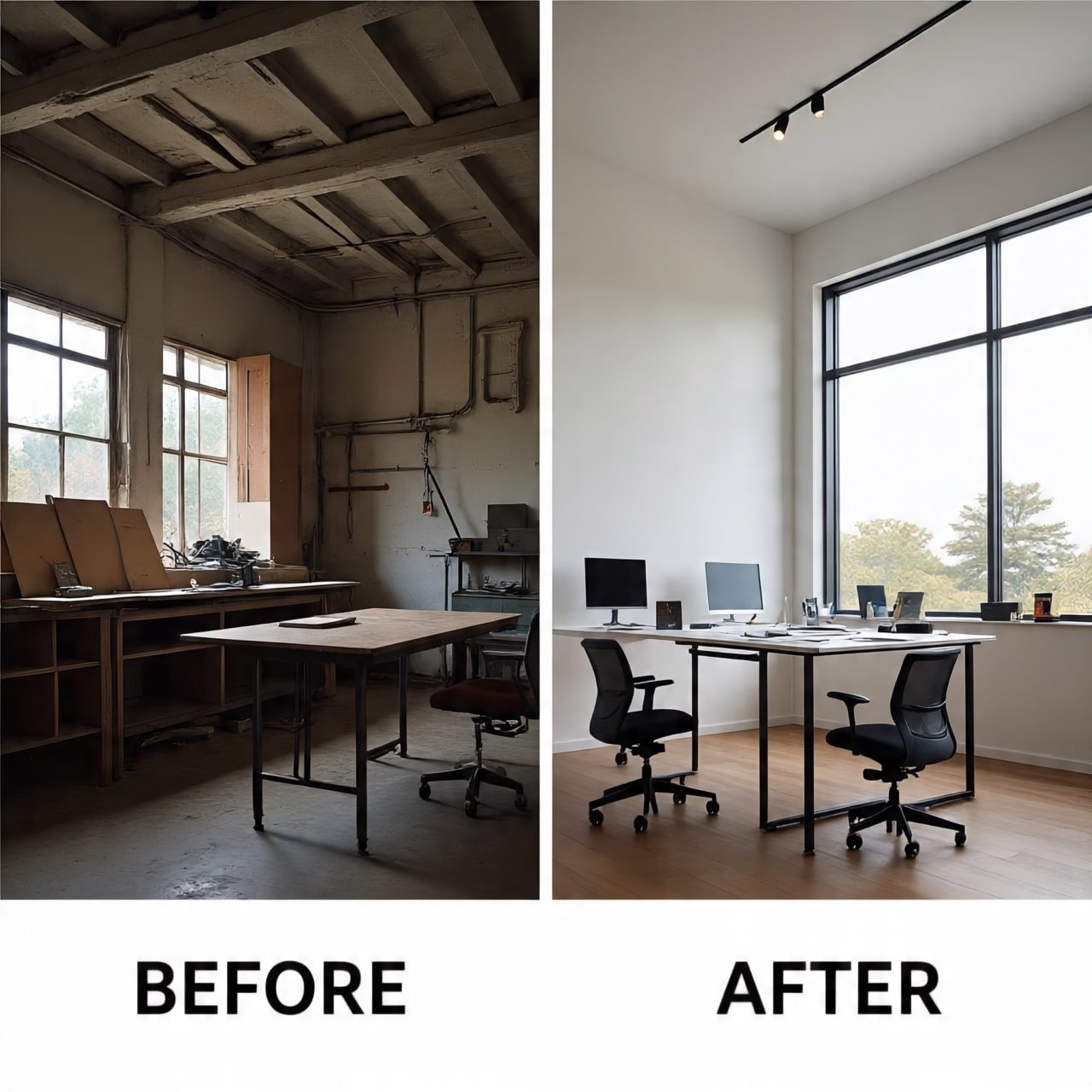
- Case studies: Show process + before/after photos.
- Videos: Walkthroughs, design process highlights.
- Thought leadership: Opinion pieces on design philosophy or material choices.
Each piece of content should make clients think: “This studio understands my vision.”
Off-Site Authority
Your reputation should extend beyond your website.
- Get featured in design/lifestyle publications.
- Partner with builders or luxury brands.
- Secure backlinks from Houzz, AD, Elle Decor.
- Leverage Instagram + Pinterest with links back to projects — see our guide on SEO for Style-Driven Project Showcases
Backlinks here are not just SEO—they’re prestige.
5: Future-Proofing Interior Design SEO
The search landscape is changing. Stay ahead with:
- AI snippets: Write concise answers for Google’s summaries. (Trends overview: Architecture SEO Trends in 2025).
- Voice search: Add FAQs for conversational queries.
- Visual search: Optimize images for Lens/Pinterest.
- E-E-A-T: Showcase bios, awards, press mentions. (Common pitfalls and fixes: Common SEO Mistakes Architecture Firms Make).
- Sustainability keywords: Clients increasingly search eco-friendly and wellness-driven interiors.
Future-proofing isn’t optional—it’s the only way to ensure your studio’s visibility keeps pace with how clients actually search.
But here’s the catch: it doesn’t matter how many new tactics you try if you’re not measuring the right outcomes. Most designers still focus on vanity metrics like traffic or impressions. That’s not what pays your bills. What matters is how SEO translates into qualified leads and real projects.
6: Measuring What Matters
Don’t measure vanity metrics like raw traffic. Measure what drives business:
- Qualified inquiries from organic search.
- Conversion rates into projects.
- Average project value from SEO leads.
- Rankings for style-specific + local keywords.
SEO success = projects booked, not clicks counted.
Use the framework in Architecture SEO Metrics That Matter — Align KPIs with Revenue Goals to ensure your reporting ties to revenue and pipeline.
SEO for Interior Design Firms
What specific metrics should interior design SEO track?
Track KPIs like organic leads, conversion rate, local pack visibility, and style‑specific keyword rankings—not just traffic.
How long before I see results from interior design SEO?
Expect measurable improvements in 4–6 months, with enhanced visibility and lead quality intensifying over the first year.
Is local SEO necessary if I offer online or remote interior design services?
Yes—Google prioritizes nearby providers. Even remote services benefit from clear NAP listings and optimized Google Business Profiles.
How do I ensure my visual portfolio helps SEO, not hinders it?
Use descriptive filenames, alt-text, next-gen image formats, and fast-loading pages. Combine visuals with narratives, metadata, and schema.
Can I do interior design SEO myself, or should I hire experts?
You can start by optimising keywords, service pages, and visuals. For advanced technical, local, and authority-building strategies, partner with a specialised SEO provider — see our visibility diagnostic & timelines.
Design Your Digital Presence with Intention
Interior design SEO isn’t about traffic—it’s about alignment. With the right strategy, your portfolio becomes a client acquisition engine, connecting your signature style with clients already searching for it.
At Adswom, our Search-to-SQL framework is built for this exact purpose: turning your design aesthetic into a discoverable, trusted brand online.
Ready to turn your portfolio into a client magnet?
👉 Start with a Free Visibility Diagnostic
— and uncover where your studio is losing premium opportunities.
Why Design Deserves Specialised SEO
Tired of agencies promising, “We’ll rank you #1”—without ever working with a design studio before?
Your work is one of a kind. Your clients aren’t shopping for the cheapest option—they’re searching for a studio that matches their taste, their vision, and their budget. Yet most SEO agencies treat you like any other service business.
The result? Generic strategies that miss the mark. Traffic numbers go up, but inquiries don’t. Your site ranks for irrelevant terms, while the clients you actually want never find you.
Design SEO is different. Studios sell trust, aesthetics, and authority—not commodities. The right strategy puts you in front of high-value clients who are already searching with intent:
- “
Japandi living room interiors South Delhi.” - “
Luxury farmhouse architect near Pune.” - “
Boutique resort design firm Goa.”
This guide will show you why generalist SEO fails design studios—and how Specialised SEO turns your portfolio into a magnet for high-value clients.
Key Takeaways
By the end of this guide, you’ll know how to:
- General SEO = traffic. Specialized SEO = clients.
- Style + location keywords attract premium leads.
- Portfolios must be optimized like sales pages.
- Authority comes from case studies, press, and reviews.
- Success = qualified inquiries, not clicks.
The Foundation – General SEO vs. Design SEO
1. What General SEO Services Really Do
Generalist SEO agencies run the same playbook across industries:
- Keyword research targeting high-volume terms.
- On-page basics (titles, headers, meta tags).
- Content calendars filled with broad blogs.
- Backlinks from generic directories.
- Standard audits for crawlability and site speed.
This works for dentists, SaaS apps, and online shops. But it fails for design studios—because design services aren’t mass-market. They’re personal, aesthetic, and project-based.
Impact if you rely on general SEO:
You’ll rank for “interior designer near me,” but attract price-sensitive shoppers or irrelevant leads. High-value clients searching for “heritage bungalow restoration Mumbai” won’t see you at all.
2. What Makes Design Studio SEO Different
Specialised SEO is built for how design clients search, evaluate, and hire.
- Visual-first optimisation: Images, videos, and portfolios carry more weight than text — start with visual SEO best practices
- Style-driven searches: Clients type aesthetics, not industry jargon.
- Project-based buying cycles: These aren’t impulse purchases. Clients research deeply.
- Authority & trust: Awards, case studies, and team bios matter more than clickbait blogs.
- E-E-A-T alignment: Experience, Expertise, Authority, Trustworthiness—all must show in your site.
Impact if ignored Design SEO:
Your most powerful asset—your portfolio—remains invisible to the clients who value it most.
The Core Differences – Where General SEO Falls Short
Let’s break it down point by point.
1 Keyword Research – Quantity vs. Quality
- General SEO: Chases volume with terms like “architect services” or “interior designer.”
- Design SEO: Targets specific, intent-rich terms:
- “Passive solar home architect Gurgaon”
- “Luxury heritage interior design Goa”
- ”Use client interviews and keyword mapping that ties search to project value"
The Risk: You waste money on traffic that never converts.
Specialist Fix: Research style + location + problem-based keywords, using client interviews as much as keyword tools.
2 Content Strategy – Generic Blogs vs. Transformative Narratives
- General SEO: Publishes “Top 10 Interior Design Trends” or “Why Hire an Architect.”
- Design SEO: Crafts trust-building narratives:
- Case studies (brief → challenge → solution → outcome). Learn how to turn case studies into SEO assets
- Guides answering real client questions.
- Opinion pieces showcasing your design philosophy.
The Risk: Generic blogs get clicks but don’t prove authority.
Specialist Fix: Make content reflect your process, depth, and design perspective.
3 On-Page Optimisation – Text vs. Visuals
- General SEO: Optimizes only text elements (headers, meta).
- Design SEO: Optimizes images and media:
- Alt text: “Custom floating staircase in Art Deco apartment.”
- Schema markup: ImageObject, VideoObject.
- Proper filenames: luxury-villa-design-mumbai.jpg not IMG_1342.jpg.
The Risk: Your visuals—the #1 decision-making factor—never appear in search.
Specialist Fix: Treat visuals as SEO assets, not decoration. For technical image schema and project markup, see technical SEO for image-rich portfolio sites.
4 Technical SEO – Standard vs. Design-Specific
- General SEO: Focuses on basics: speed, crawlability, mobile responsiveness.
- Design SEO: Tailors for heavy visual portfolios:
- Lazy loading + CDNs for global speed.
- Core Web Vitals tuned for image-heavy layouts.
- Schema for “Architect,” “InteriorDesignFirm,” “Project.”
The Risk: Slow load times drive away premium clients instantly.
Specialist Fix: Marry UX + SEO so your portfolio feels fast and fluid on every device.
5 Authority Building – Broad Links vs. Niche Credibility
- General SEO: Gets backlinks from random blogs or business directories.
- Design SEO: Builds authority where it matters:
- Features in ArchDaily, Dezeen, AD.
- Local lifestyle press and design blogs.
- Partnerships with builders, developers, stylists.
The Risk: You look credible in places your clients don’t read.
Specialist Fix: Earn links that reinforce prestige and design authority.
If your SEO agency can’t explain how to optimise a portfolio page—or has never pitched backlinks to design magazines—you’re leaving projects on the table. At Adswom, our Search-to-SQL system was built precisely for this: filtering traffic so only high-fit, style-driven clients land in your inbox.
The Benefits of Specialisation
So why does this matter? Because the right SEO strategy changes the type of inquiries you get.
- Attract High-Value Clients: Fewer leads, but aligned with your style and budget.
- Position as Authority: Be the go-to for luxury residential, boutique resorts, or sustainable interiors.
- Spend Smarter: Avoid wasting budget on irrelevant clicks.
- Map to the Client Journey: Specialised SEO accounts for long decision cycles.
- Stay Ahead of Trends: Visual search, E-E-A-T, and AI are built into the strategy.
General SEO gives you volume. Specialised SEO gives you value.
When to Choose Specialised SEO
Signs You’ve Outgrown General SEO
- You’re getting clicks, but from the wrong audience.
- Your site is stunning but slow—and invisible.
- You rank for “interior design trends” but not for “luxury villa architect Goa.”
- You rely only on referrals and want predictable lead flow.
How to Spot the Right Partner
Ask any SEO provider:
- “Can you show results with architecture or design firms?”
- “How do you optimize portfolios and visuals?”
- “Which design publications do you target for PR?”
- “Do you know Houzz, ArchDaily, Behance—how they impact SEO?”
- “How do you tie SEO directly to inquiries and projects?”
If they can’t answer, they’re not the right fit.
Specialised SEO for Design Studios
What’s the biggest difference between general and design SEO?
General SEO chases traffic. Design SEO attracts qualified clients by optimizing visuals, storytelling, and niche authority.
Why does keyword research matter more for design firms?
Because clients search by style, project type, and location. If you don’t match their language—“Japandi living room Mumbai”—you’ll never get found.
Can general SEO still work?
Yes, but inefficiently. You’ll get clicks, but most won’t convert. Specialised SEO is about ROI, not vanity metrics.
How does design-focused SEO affect brand perception?
It positions you as thoughtful, premium, and credible. Optimized visuals + case studies + press = trust.
How long until results show?
3–4 months for traction. 6 months for consistent qualified leads. SEO is compounding—not instant. see our SEO timelines for design firms
Is SEO necessary if referrals drive most leads?
Yes. Referrals are inconsistent. SEO builds a scalable, predictable pipeline so your growth doesn’t depend on chance.
How is SEO different for luxury vs. budget firms?
Luxury SEO targets exclusivity—keywords like “heritage restoration” or “luxury villa design.” Budget SEO often targets affordability. Strategy must align with your market.
Outside Google, what platforms matter?
Houzz, Behance, ArchDaily, Pinterest. These influence rankings and where clients browse. Specialised SEO integrates them.
Design Your Online Future with Precision
In design, one size never fits all. The same is true in SEO.
Generic SEO may give you traffic—but specialised SEO builds authority, trust, and the right kind of demand. If you want clients who value your aesthetic and can afford your expertise, you need a strategy tailored for design.
At Adswom, we created the Search-to-SQL framework to do exactly this: align your studio’s visibility with high-intent, style-driven clients.
Ready to attract fewer—but better—clients?
👉 Start with your Free Visibility Diagnostic.
We’ll show you exactly what’s blocking your SEO performance and map out a clear plan to grow with purpose.